Traveling the world offers countless opportunities to witness wildlife and experience diverse cultures. Yet the way a journey is structured can greatly influence how meaningful those encounters become. Large tour groups often move quickly and follow fixed schedules, while smaller groups create space for curiosity, observation, and genuine interaction.
Small group nature tours are designed to provide a more thoughtful approach to exploration. By limiting group size and focusing on immersive experiences, travelers can engage more deeply with the landscapes, wildlife, and communities they encounter. For those seeking memorable wildlife travel experiences and authentic cultural group travel, smaller groups offer clear advantages.
Minimal Impact on Environments
How does small-group travel help protect natural environments and wildlife habitats?
Responsible travel begins with minimizing the impact on the places we visit. Large groups can unintentionally create pressure on fragile ecosystems, especially in remote wildlife habitats or protected natural areas. Smaller groups move more quietly, leave fewer traces, and can be managed more easily in sensitive environments.
Small group nature tours are often designed with sustainability in mind. Guides can ensure that travelers follow responsible viewing practices, maintain appropriate distances from wildlife, and respect conservation guidelines. These practices protect animals while allowing visitors to observe natural behaviors without disruption.
Reducing environmental impact also benefits future travelers. When ecosystems remain healthy and undisturbed, wildlife travel experiences continue to thrive for generations to come.
Closer Guide Interaction
Why does a smaller group create stronger connections with guides and experts?
Knowledgeable guides play a vital role in any travel experience, especially when exploring unfamiliar ecosystems or cultural landscapes. In large groups, it can be difficult for every participant to interact with the guide or ask questions during excursions.
Small group nature tours allow for more personal interaction. Travelers have greater opportunities to engage with guides, discuss observations, and explore topics in depth. Whether identifying bird calls, interpreting animal behavior, or explaining cultural traditions, guides can share insights more effectively when the group is manageable.
This closer interaction transforms wildlife travel experiences into learning opportunities. Participants gain not only memorable moments but also a deeper understanding of the natural and cultural contexts surrounding them.
Flexible Pacing
How does small-group travel allow for a more adaptable itinerary?
One of the advantages of smaller groups is flexibility. Large tours often operate on tight schedules designed to move many participants through the same locations efficiently. While organized, this structure can limit opportunities for spontaneous discovery.
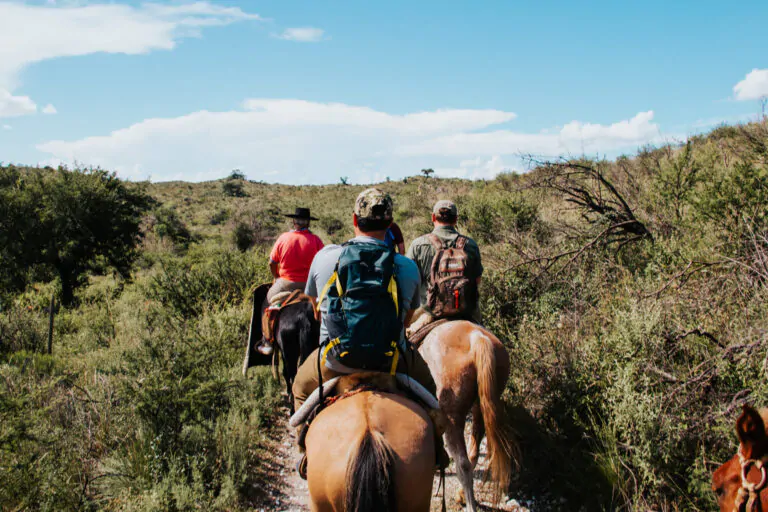
Small group nature tours offer more adaptable pacing. Guides can adjust the itinerary based on wildlife sightings, weather conditions, or group interests. If a rare bird appears or a herd of animals approaches a water source, the group can pause and observe without feeling rushed.
This flexibility enhances wildlife travel experiences by allowing travelers to fully appreciate special moments. Instead of hurrying from one stop to another, the journey unfolds naturally.
Shared Learning Experiences
How does traveling in a small group encourage collaborative discovery?
Wildlife encounters and cultural observations often spark curiosity. In small groups, participants can share ideas, ask questions, and compare perspectives in a way that enriches the experience for everyone.
Small group nature tours encourage open dialogue between travelers and guides. When someone notices a unique plant, animal behavior, or cultural detail, the entire group can discuss it together. These shared moments create a collaborative atmosphere of discovery.
Cultural group travel becomes more meaningful when participants engage in thoughtful conversations about history, traditions, and environmental stewardship. Learning together often deepens understanding and creates lasting memories.
Meaningful Group Dynamics
Why do smaller groups often create stronger connections between travelers?
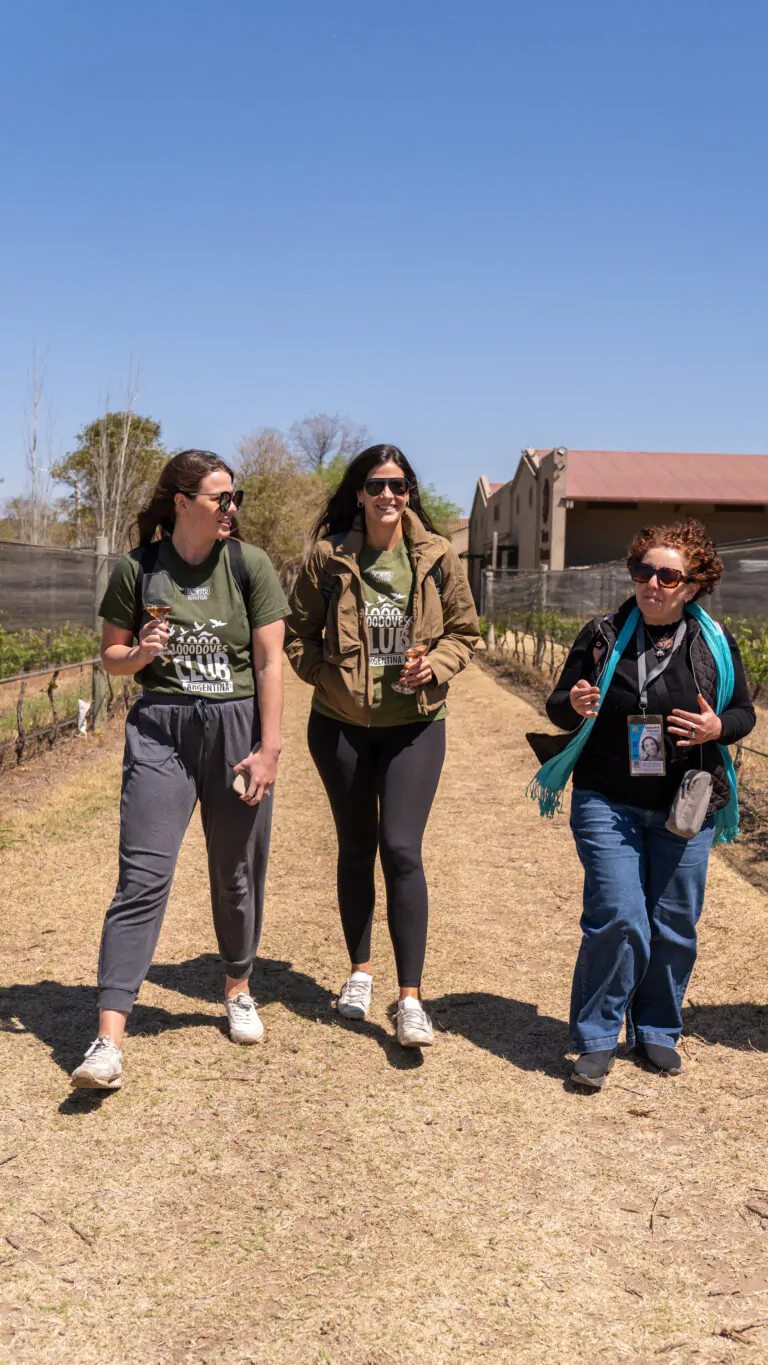
Beyond the landscapes and wildlife, travel is also about the people you meet along the way. Smaller groups naturally foster more interaction between participants. Travelers share meals, discussions, and daily experiences in a way that encourages connection.
Cultural group travel in smaller settings often leads to stronger camaraderie. Conversations flow more easily, and individuals feel comfortable contributing their observations and ideas. Over time, the group develops a sense of shared purpose in exploring new environments together.
These positive group dynamics enhance wildlife travel experiences by creating a supportive and engaging travel environment. Many travelers find that the friendships formed during small group tours become one of the most memorable aspects of the journey.
Travel That Prioritizes Connection
Small group travel offers a thoughtful alternative to larger tour formats. By minimizing environmental impact, encouraging closer guide interaction, allowing flexible pacing, fostering shared learning, and strengthening group dynamics, these journeys create richer and more meaningful travel experiences.
For travelers interested in wildlife travel experiences and immersive cultural group travel, the benefits of smaller groups are clear. Each encounter becomes more personal, each moment more intentional, and each destination more deeply understood.
If you are ready to explore the world through carefully designed small group nature tours, our team is here to help. Contact Beagle International today to learn more about our upcoming journeys and discover how small group travel can transform your next wildlife and cultural adventure.