Where the Paraná River shapes everything — a province of vast wetlands, living culture, and a history that sits at the very foundation of the Argentine nation.
Santa Fe is a province that rewards the curious traveler — one that carries enormous historical weight and extraordinary natural beauty in equal measure, and manages to do both without ever feeling like it’s trying too hard.
Founded by the Spanish in 1573, Santa Fe played a defining role in the formation of the modern Argentine state. It was here, in 1853, that Argentina’s Constitution was drafted — a document that shaped the country’s political identity for generations. That sense of foundational significance is still present in the province today, in its colonial architecture, its plazas, and the quiet pride of its people.
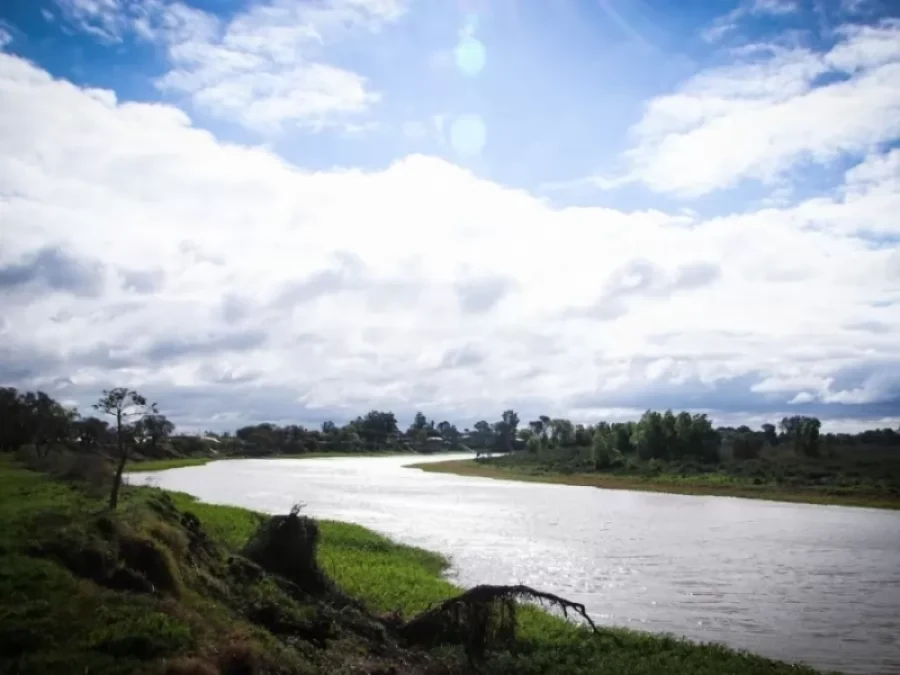
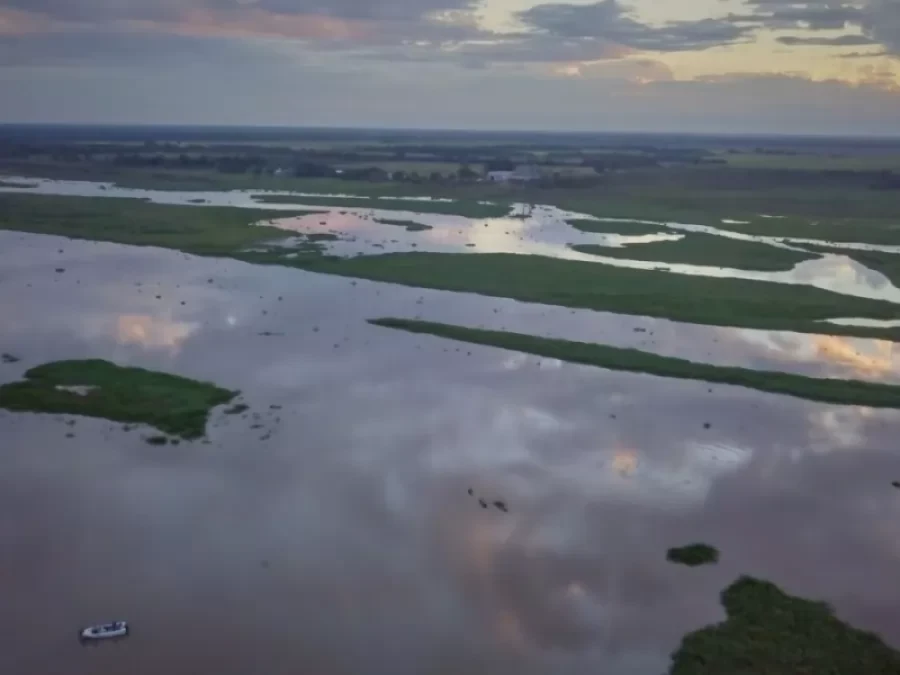
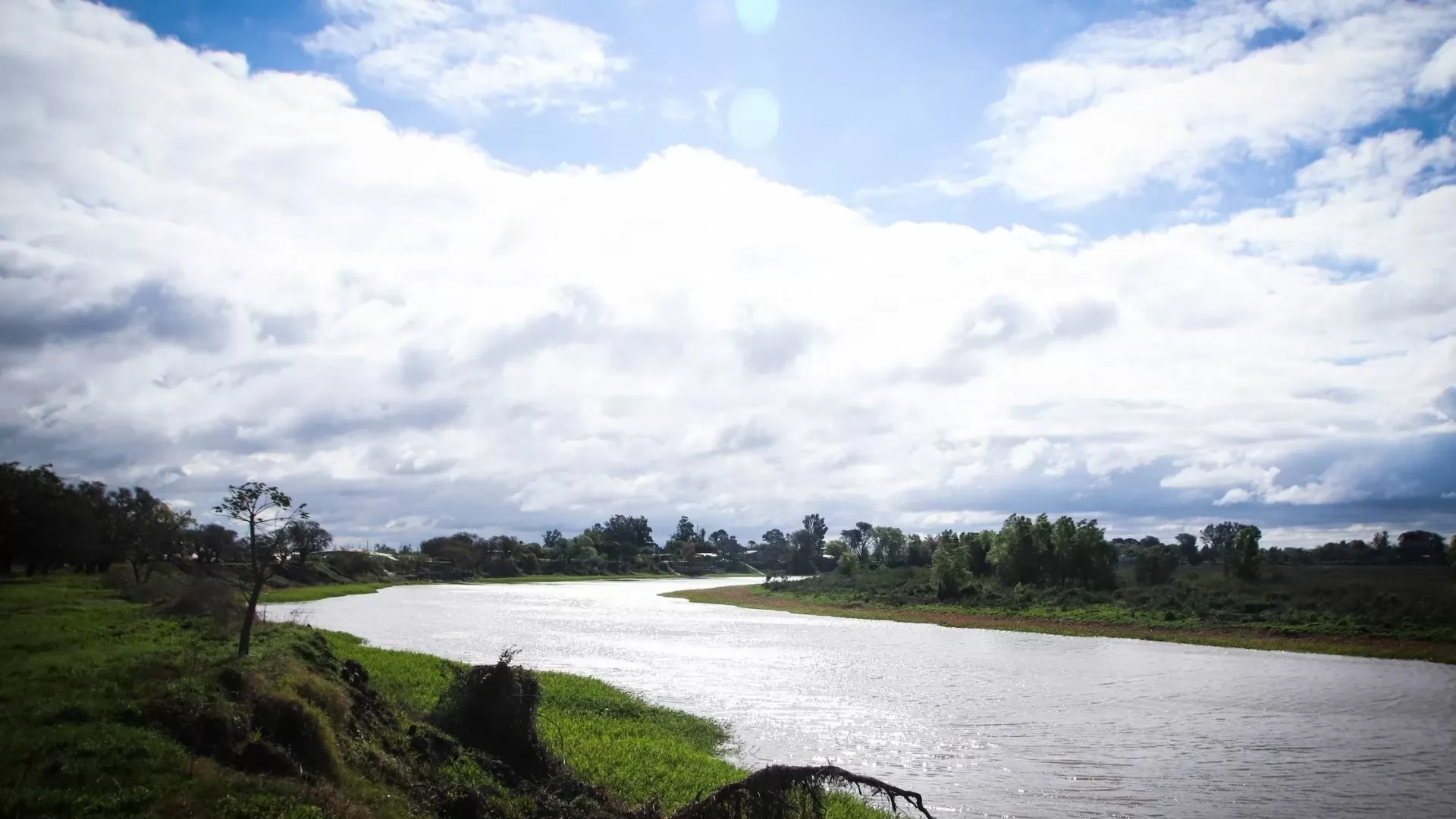
But Santa Fe is equally a place of water and wildness. The great Paraná River runs along the province’s eastern edge, creating a world of islands, floodplains, and wetlands of international ecological importance. In the province’s northeast, one of the largest wetland systems in the world covers nearly half a million hectares — a vast, living ecosystem teeming with birdlife, river fish, and native flora that draws naturalists and wildlife lovers from around the globe.
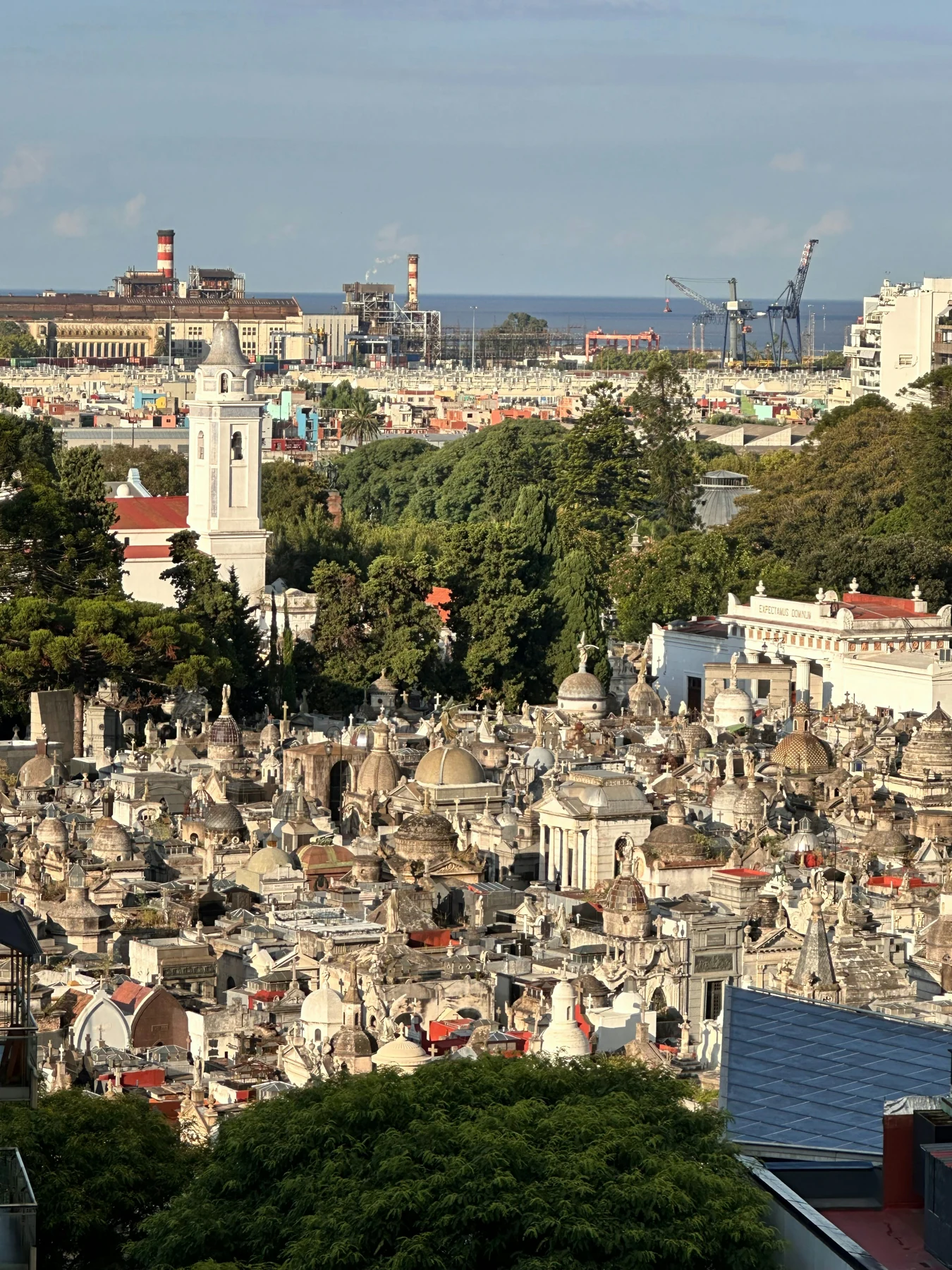
And then there is Rosario — Argentina’s third-largest city, the birthplace of Che Guevara and Lionel Messi, and a cultural powerhouse with a world-class arts scene, beautiful riverside promenades, and an energy that surprises every traveler who arrives expecting a quiet provincial city.
Destination Snapshot
Region
Central East Argentina
Province
Santa Fe
Capital City
Santa Fe de la Vera Cruz
Best Time To Visit
March to May / September to November
Climate
Humid Subtropical
Language
Spanish
Currency
Argentine Peso
Time Zone
ART (UTC -3)
Airports
Rosario International (ROS) / Sauce Viejo Airport (SFN)
What Awaits You
The Best of Salta
01
Life on the Paraná
The Paraná River is not just a geographical feature of Santa Fe — it is the heartbeat of the province. One of the longest rivers in South America, it shapes the landscape, the culture, the cuisine, and the daily life of everyone who lives along its banks. A guided boat journey through the river’s islands and waterways reveals a world of herons and kingfishers, riverside communities, and a serene natural beauty that is completely unlike anything you’ll find in Argentina’s mountains or plains. River fish — dorado, surubí, sábalo — are pulled from these waters daily, and eating them fresh at a riverside restaurant is one of Santa Fe’s great pleasures.
02
Rosario — Argentina's Surprise
Most travelers to Argentina skip Rosario entirely. That is their loss. Argentina’s third-largest city sits on the banks of the Paraná with a confidence and a cultural energy that rivals Buenos Aires at a fraction of the pace. The Monumento a la Bandera — one of the most important national monuments in the country — anchors a beautiful riverside promenade that stretches for kilometers. World-class museums, a thriving restaurant scene, extraordinary street art, and the genuine warmth of a city that doesn’t live for tourists — Rosario rewards every hour you give it.
03
One of the World's Great Wetlands
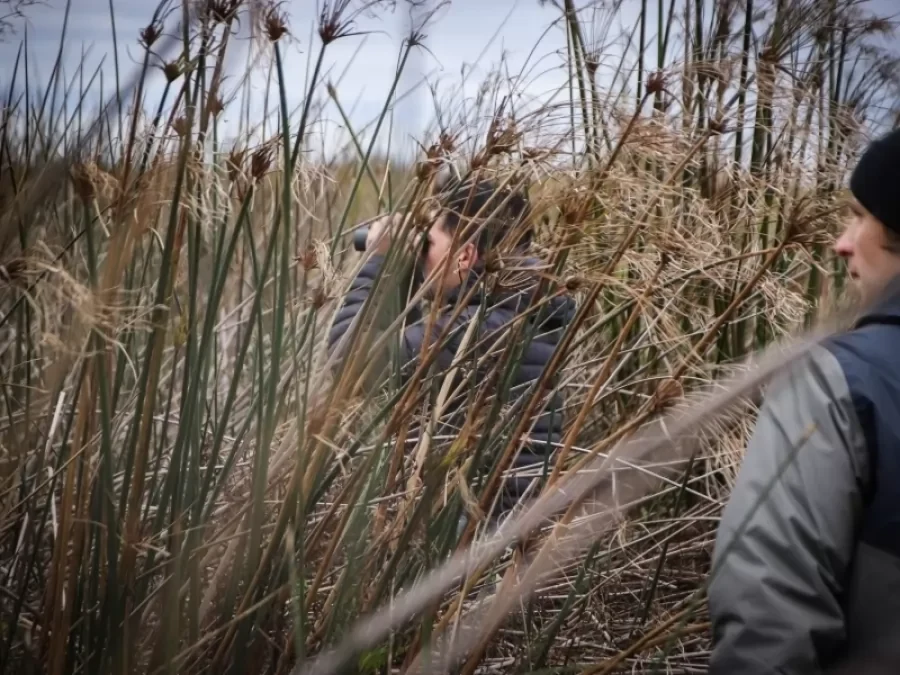
In the northeast of the province lies one of the most ecologically significant wetland systems in the world — nearly 500,000 hectares of flooded plains, river channels, and native forest that shelter an extraordinary diversity of wildlife. For birders, this is a destination of serious importance. Dozens of species of herons, egrets, ibis, ducks, and raptors share the water and sky with migratory visitors from as far north as Canada. For the naturalist traveler, a guided excursion into the wetlands of northeastern Santa Fe is an experience that stays with you.
04
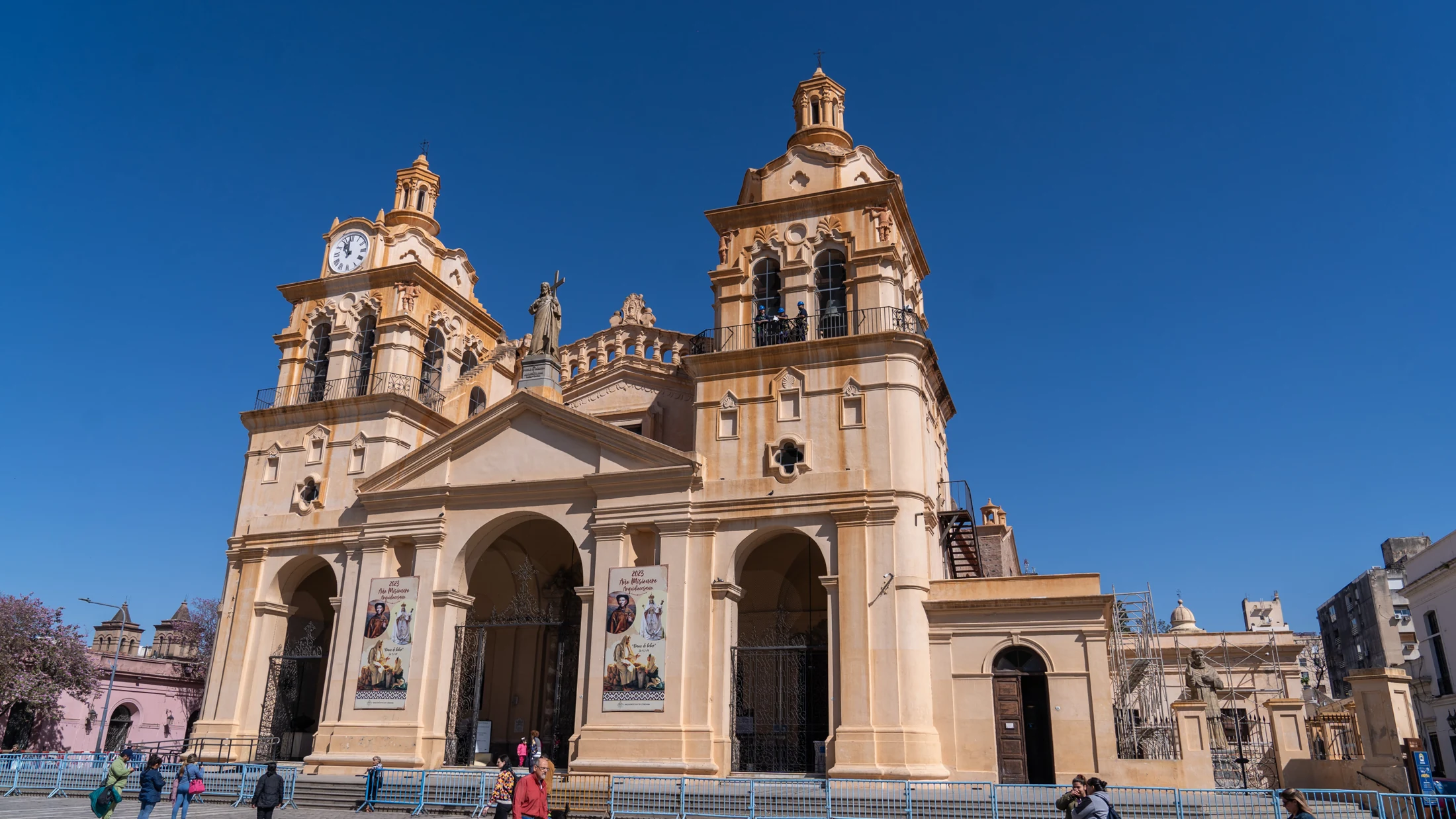
Santa Fe City — History at Every Corner
The Tren a las Nubes — the Train to the Clouds — is one of the most remarkable railway journeys on earth. Departing from the city of Salta, it climbs through 29 bridges, 21 tunnels, 13 viaducts, and 2 spirals to reach the La Polvorilla viaduct at 4,220 meters above sea level — making it one of the highest railway lines in the world. The scenery along the route moves through cactus-studded valleys, Andean villages, and a landscape that grows increasingly dramatic with every meter of altitude gained. For travelers who appreciate extraordinary feats of engineering set against extraordinary natural beauty, this is an unmissable experience.
05
The High Andean Plateau
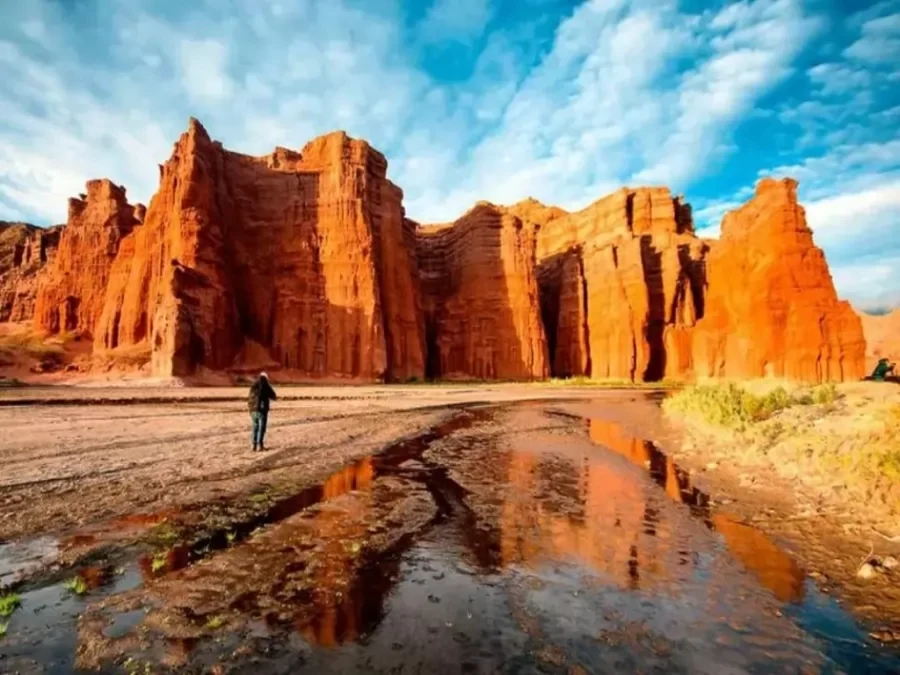
Northwest of Salta, the landscape rises into the Puna — the high Andean plateau — where salt flats stretch to the horizon, flamingos gather in vast flocks around turquoise lakes, and volcanoes rise above 6,000 meters into a sky that seems closer than it should. The Salinas Grandes salt flat, shared with neighboring Jujuy province, is one of the most surreal landscapes in Argentina. At over 3,400 meters above sea level, the air is thin and the light is extraordinary — the kind of landscape that makes you understand why people travel to the far ends of the earth.
We place you in the best hotels Santa Fe has to offer — in Rosario, in the capital city, and in riverside properties that put the Paraná right outside your window. Every property is personally vetted for comfort, location, and character.
Private English-Speaking Guides
Every experience in Santa Fe is led by a private, English-speaking guide with genuine local knowledge — whether you’re exploring the historic streets of the capital, cruising the Paraná waterways, or navigating the wetlands of the northeast.
Private Ground Transportation
From airport arrival to final transfer out, all ground logistics are handled. Private cars and vans, no shared buses, no stress. We meet you at Rosario International or Sauce Viejo and take care of everything from there.
Flight Assistance
Our team and trusted partners can help arrange the best flights in and out of Santa Fe. For guests who want the ultimate in convenience and speed, Beagle Flights offers private aviation options directly into the region.
Keep Exploring
You Might Also Love
Buenos Aires
The grand gateway to Argentina — cosmopolitan, electric, and the perfect complement to the quiet beauty of Santa Fe.