One of the most fascinating aspects of international travel is the sheer diversity of environments that can exist within a single region. In many parts of the world, travelers can move from humid rainforests to cool mountain highlands within the same journey. Each ecosystem offers its own landscapes, wildlife, and cultural traditions.
For travelers interested in nature and culture alike, multi-region travel opens the door to a deeper understanding of how environments shape life. International nature tours often highlight these transitions, allowing guests to witness how geography, climate, and elevation influence everything from biodiversity to local lifestyles.
Exploring diverse travel landscapes in one itinerary transforms a trip into an immersive learning experience. Instead of seeing only one type of environment, travelers gain a broader perspective on the planet’s interconnected ecosystems.
Contrasting Ecosystems Explained
How do rainforests and highland environments differ from one another?
Rainforests and highlands represent two dramatically different ecosystems. Rainforests are typically warm, humid environments with dense vegetation and remarkable biodiversity. Tall canopies, layered plant life, and abundant rainfall create ideal conditions for insects, birds, reptiles, and mammals.
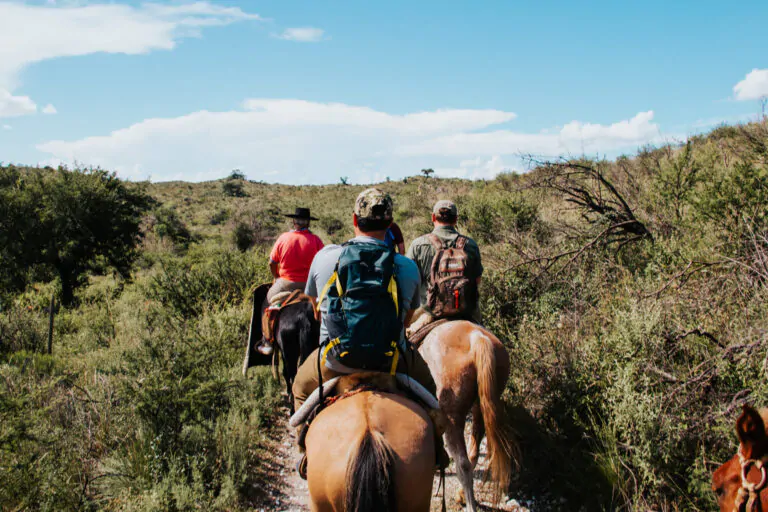
Highland regions, by contrast, sit at higher elevations where temperatures are cooler and vegetation becomes more sparse. Mountain landscapes often feature open grasslands, rocky terrain, and forests adapted to thinner air and seasonal changes.
Experiencing these environments within the same trip highlights the complexity of global ecosystems. International nature tours often emphasize these contrasts, helping travelers understand how climate and elevation shape the natural world.
Seeing these differences firsthand makes the concept of diverse travel landscapes far more tangible than reading about them in a guidebook.
Wildlife Across Elevations
Why does wildlife vary so dramatically between lowlands and highlands?
Wildlife adapts closely to its environment. In tropical rainforests, animals often evolve to thrive in dense vegetation and humid climates. Many species live high in the canopy or rely on camouflage among thick foliage.
As travelers move into higher elevations, the types of animals they encounter begin to change. Cooler temperatures and reduced plant density favor species adapted to mountain life. These animals may have thicker fur, different feeding habits, or specialized behaviors for navigating rugged terrain.
International nature tours frequently highlight how wildlife shifts across elevation zones. Observing these transitions helps travelers appreciate how adaptable animals must be to survive in different habitats.
Multi-region travel offers the unique opportunity to witness this ecological variety within a single journey.
Cultural Shifts Between Regions
How do landscapes influence cultural traditions and daily life?
Just as wildlife adapts to the environment, human cultures evolve in response to geography and climate. Communities living in rainforest regions often develop lifestyles centered around forest resources, rivers, and tropical agriculture.
In highland areas, traditions may revolve around mountain farming, livestock grazing, and seasonal weather patterns. Architecture, clothing, and cuisine frequently reflect these environmental influences.
Traveling between these regions reveals how culture and environment are closely connected. Multi-region travel allows visitors to observe how traditions shift as landscapes change.
These cultural insights add another dimension to international nature tours. The journey becomes not only about ecosystems but also about the people who call those environments home.
Multi-Region Itinerary Benefits
Why are multi-region travel itineraries especially rewarding?
A single destination can be fascinating, but multi-region travel provides a broader perspective. By visiting several environments within one itinerary, travelers gain a deeper understanding of regional diversity.
Multi-region journeys allow participants to experience varied landscapes, wildlife encounters, and cultural traditions without needing separate trips. This approach makes travel more efficient while enriching the overall experience.
International nature tours often design itineraries that intentionally connect contrasting environments. Travelers might explore rainforest reserves before heading into mountain villages or highland national parks.
This progression creates a sense of discovery as each new environment introduces fresh scenery and perspectives.
Appreciating Global Diversity
How does experiencing multiple ecosystems deepen appreciation for the planet?
Witnessing diverse travel landscapes firsthand can be profoundly impactful. Seeing how ecosystems function and how communities interact with their surroundings encourages a greater appreciation for global diversity.
Travelers often leave multi-region journeys with a stronger understanding of environmental interconnectedness. Rainforests influence climate patterns, mountains shape water systems, and wildlife populations depend on balanced ecosystems.
International nature tours help highlight these relationships. By observing multiple regions within a single trip, travelers gain insight into the complexity of our planet and the importance of preserving its natural and cultural heritage.
These experiences inspire curiosity, respect, and a lasting sense of wonder.
Explore the World’s Diversity in One Journey
Traveling from rainforests to highlands in a single itinerary offers a rare opportunity to witness the planet’s incredible variety. Diverse ecosystems, changing wildlife, and evolving cultural traditions create a journey that feels both educational and inspiring.
Multi-region travel encourages travelers to see the world as an interconnected system rather than isolated destinations. Each environment adds a new perspective and deepens appreciation for global diversity.
If you are ready to experience diverse travel landscapes through thoughtfully designed international nature tours, contact Beagle International today. Our expert team can help you plan a multi-region travel experience that reveals the world’s ecosystems, wildlife, and cultures in one unforgettable journey.