Across the globe, culture does not develop in isolation. It grows from the land, climate, wildlife, and geography that surround it. From mountain villages to coastal fishing towns, the environment shapes how people live, what they eat, what they believe, and how they tell their stories. At the same time, human traditions influence how landscapes are preserved, adapted, and understood.
For travelers seeking meaningful international exploration, understanding the connection between culture and environment transforms a trip into something deeper. Culture and nature travel invites you to see destinations not as isolated attractions, but as living systems where people and place are intertwined.
Landscapes Influencing Traditions
How do natural landscapes shape cultural traditions and daily life?
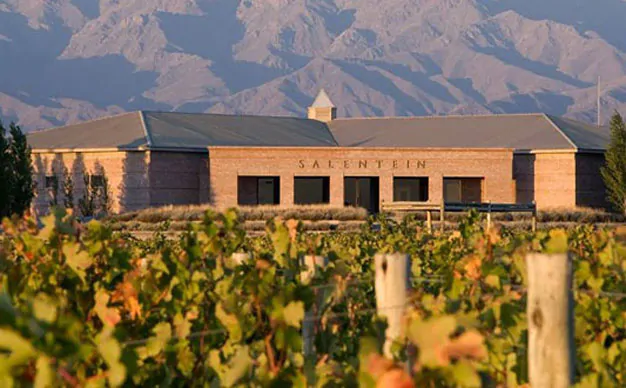
Mountain regions often produce communities with strong traditions of self reliance and seasonal rhythms. Agricultural festivals follow planting and harvest cycles. Architecture reflects the need for insulation or ventilation depending on climate. Coastal cultures may revolve around fishing, navigation, and maritime trade.
Desert societies develop water conservation techniques and storytelling traditions shaped by vast open space. Forest communities build spiritual practices tied to trees, rivers, and wildlife. Even cuisine reflects geography, with ingredients drawn directly from what the land can provide.
In culture and nature travel, observing these connections reveals why traditions exist in the first place. Rather than viewing rituals or architecture as aesthetic features, travelers begin to understand them as adaptations to environment. Immersive cultural tours often highlight these links, helping visitors connect daily customs to the landscapes that shaped them.
Birds and Wildlife in Folklore
Why do animals and birds play such a powerful role in global folklore?
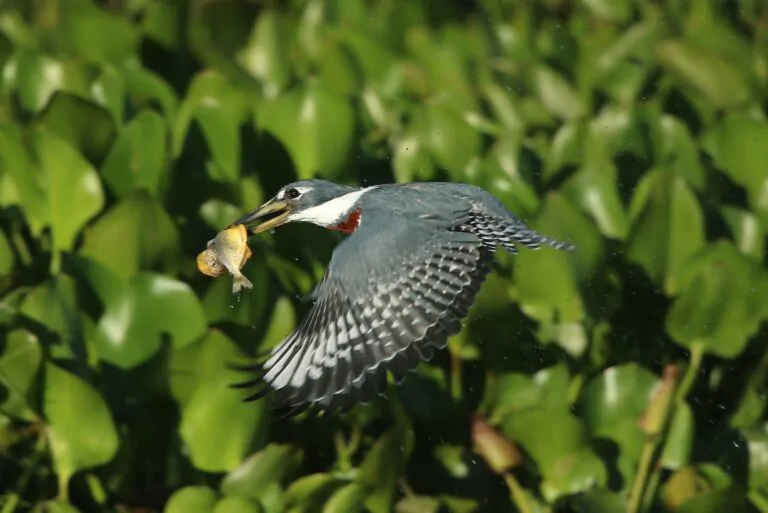
Wildlife often holds symbolic meaning rooted in close observation of the natural world. Birds in particular appear in myths, spiritual stories, and national symbols across continents. Eagles may represent strength, cranes longevity, and owls wisdom. These meanings arise from how communities interact with and interpret the animals around them.
In regions where wildlife plays a central role in survival or spirituality, stories reflect that relationship. Folklore may explain migration patterns, seasonal change, or natural events through symbolic narratives. These stories preserve environmental knowledge and pass it through generations.
Immersive cultural tours that incorporate natural history provide insight into how wildlife becomes embedded in belief systems. Through thoughtful international exploration, travelers can see how myths are often reflections of ecological awareness and respect for the natural world.
Regional Ways of Life
How does geography influence the rhythm of daily life in different regions?
Daily routines often mirror environmental conditions. In hot climates, work may begin at dawn and pause during peak heat. In colder regions, homes and clothing emphasize warmth and durability. Agricultural communities organize life around planting seasons and harvest cycles.
Transportation methods also reflect geography. River systems become trade routes. Mountain passes shape migration patterns. Coastal access influences economic development and cultural exchange.
When travelers engage in culture and nature travel, they begin to recognize how deeply environment informs lifestyle. What might seem like simple preference is often necessity shaped by terrain and climate. Observing regional ways of life through this lens creates a richer and more respectful understanding of each destination.
Learning Culture Through Environment
How can travelers better understand culture by paying attention to nature?
One of the most effective ways to learn about a culture is to first observe its environment. Notice what grows naturally. Observe how homes are built. Pay attention to seasonal festivals and the materials used in local crafts.
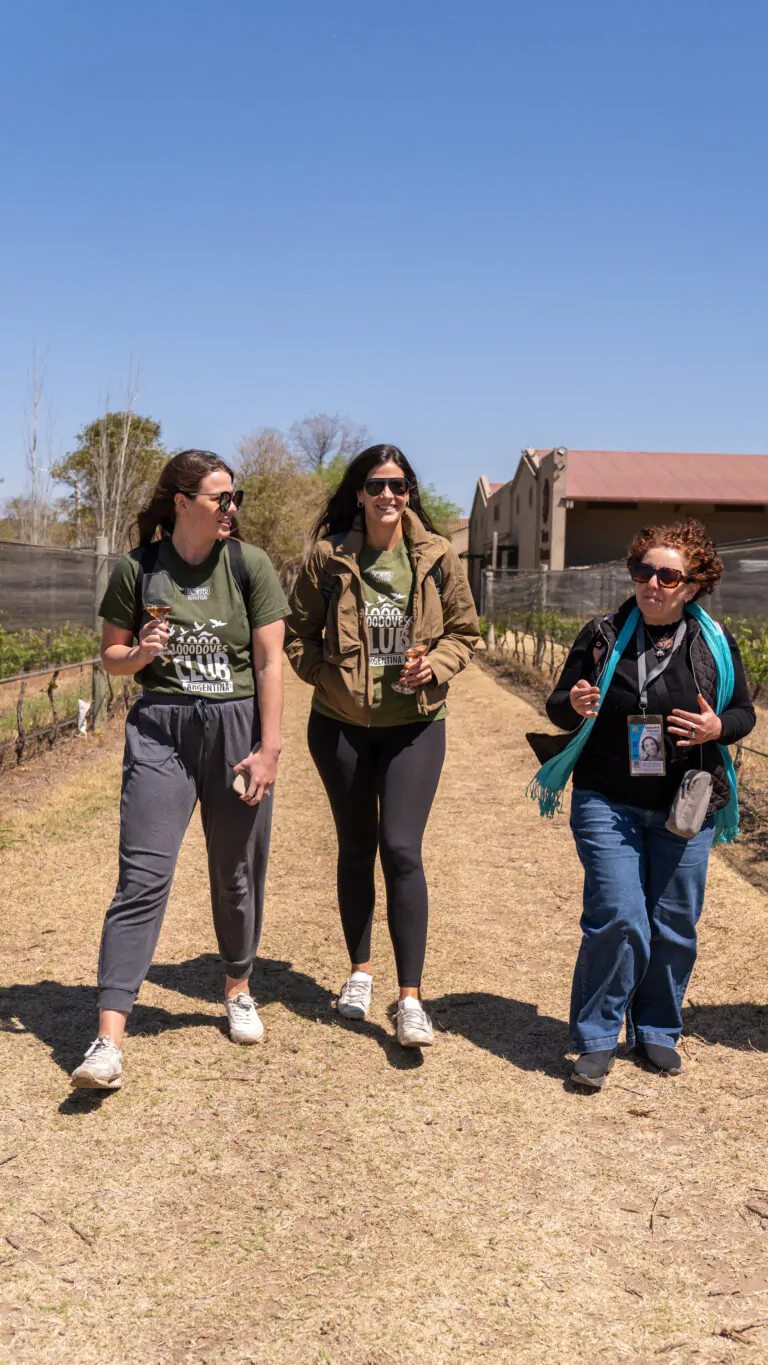
Immersive cultural tours often integrate environmental context into historical and social discussions. A guided walk through farmland may reveal more about community structure than a museum visit alone. A coastal excursion may explain trade history better than reading a plaque.
International exploration becomes more meaningful when travelers connect landscape to livelihood. Understanding how people adapt to their environment fosters empathy and deeper engagement. It shifts the focus from consuming experiences to learning from them.
Place Based Understanding
What does it mean to develop a place based understanding of a destination?
Place based understanding means recognizing that every destination has evolved through the interaction between people and their surroundings. It is about seeing the relationship between geography, economy, belief systems, and identity.
Rather than separating culture from nature, place based learning treats them as inseparable. A mountain monastery is not only a religious site but also a reflection of terrain and isolation. A seaside market is not just a culinary attraction but a product of coastal abundance.
Culture and nature travel encourages travelers to slow down and observe these connections. Immersive cultural tours provide the context and guidance necessary to see beyond surface impressions. Through thoughtful international exploration, travelers develop a deeper appreciation for how human creativity and natural forces shape one another.
Why This Perspective Matters for Travelers
Travel becomes more enriching when it moves beyond sightseeing. Understanding how culture and environment interact fosters respect, curiosity, and meaningful engagement. It also encourages responsible travel practices that honor both local communities and ecosystems.
Destinations are not static backdrops. They are dynamic environments shaped by centuries of interaction between people and nature. Recognizing this interconnectedness elevates the travel experience and creates lasting insight.
If you are ready to explore the world through a deeper lens, we invite you to discover immersive cultural tours that connect landscape, wildlife, and tradition. Contact us today to begin planning your next international exploration and experience culture and nature travel in a way that is thoughtful, enriching, and unforgettable.