The same forest, wetland, or savanna can look like an entirely different place depending on the month you arrive. Seasonal wildlife travel rewards people who understand that nature runs on its own calendar, one shaped by temperature, rainfall, food, and the urge to breed or migrate. A trip timed well can mean thundering herds, crowded wetlands, and vivid landscapes, while a poorly timed one can feel quiet and empty. Knowing how the seasons shape the natural world makes every journey more rewarding. This guide walks through how nature shifts across the year and how to use that knowledge.
Seasonal Ecosystems Worldwide
How do ecosystems change with the seasons around the world?
Every ecosystem has its own seasonal rhythm, and it rarely matches the four seasons most travelers imagine. Tropical regions often swing between wet and dry periods, while temperate forests move through growth, color, dormancy, and renewal. Polar regions pulse with the arrival and departure of light. Understanding these cycles is the foundation of nature travel seasons, since the same destination can offer completely different experiences from one month to the next. Learning a place’s calendar before you go helps match your expectations to what the land is actually doing.
Wildlife Activity Patterns
How does animal behavior change throughout the year?
Animals organize their lives around the seasons, shifting between feeding, breeding, raising young, and preparing for lean months. Spring often brings newborns and courtship displays, while summer concentrates activity around water and shade. Autumn can trigger migrations and dramatic rutting behavior, and winter pushes many species into predictable, easier to observe areas. Each phase offers something different for travelers. Matching your trip to the behavior you most want to witness makes a real difference in what you see.
Weather Influences
How does weather affect wildlife viewing?
Weather shapes where animals go and when they show themselves. Heat can push wildlife toward dawn and dusk activity, while rain can scatter animals across a wider landscape or concentrate them near new food sources. Cold snaps often draw species into open areas where they are easier to spot. Weather also affects comfort, road access, and visibility for travelers. Checking typical conditions for your dates, and staying flexible when they change, helps you make the most of each day in the field.
Birding Seasons
When is the best time of year for birdwatching?
Birding follows its own distinct calendar, with spring and fall migrations producing some of the most exciting windows of the year. Spring brings birds in breeding plumage and full song, while fall movements can fill skies and wetlands with thousands of travelers. Summer is often the best time to see resident species raising young, and winter concentrates waterfowl and raptors in key habitats. Different regions peak at different times, so research matters. A well timed birding trip can turn a good destination into a spectacular one.
Landscape Transformations
How do landscapes change from season to season?
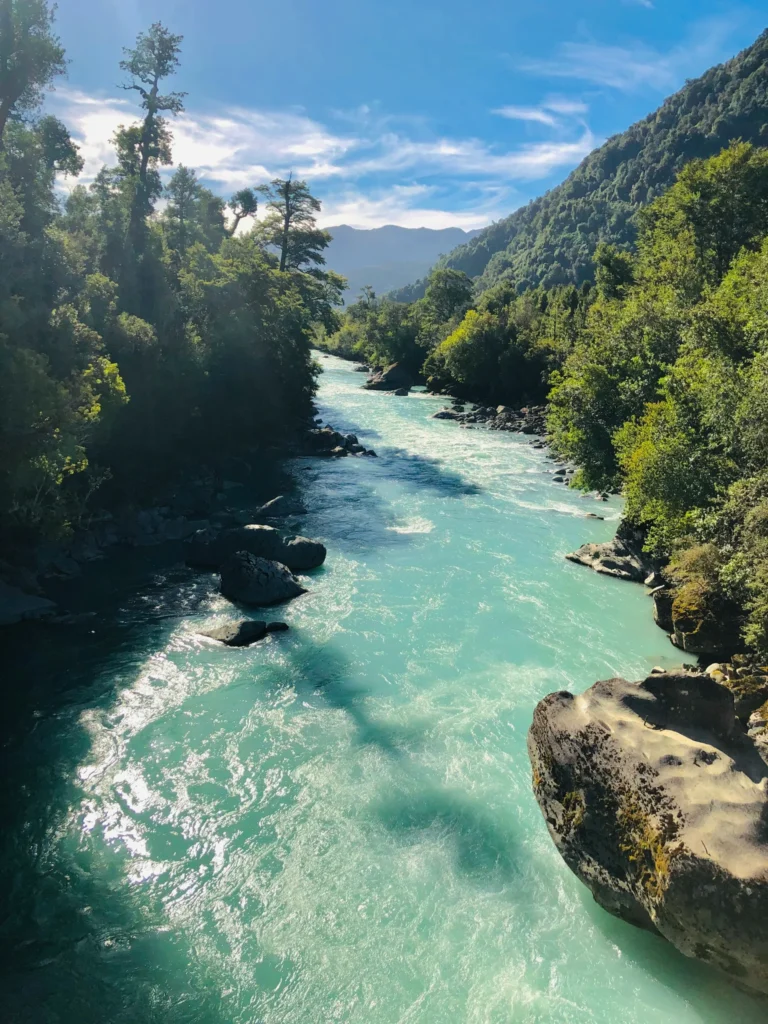
Landscapes can transform dramatically in just a few weeks. Dry grasslands turn green after rain, mountain meadows burst into wildflowers, and forests shift from deep green to gold and red. Rivers swell with snowmelt, deltas flood, and lakes freeze or thaw, reshaping the habitat around them. These changes affect more than scenery, since they also influence where animals feed and travel. Seeing the same place in two different seasons often reveals just how alive and changeable the natural world really is.
Choosing Travel Dates Strategically
How do I choose the best dates for a nature trip?
Strong wildlife travel planning starts with deciding what you most want to experience, then working backward to the season that best delivers it. Research migration windows, breeding periods, and weather patterns for your destination, and talk with guides who know the area well. Shoulder seasons often offer a useful balance of good wildlife activity and fewer visitors. Building a little flexibility into your dates also helps when nature refuses to follow a schedule. Smart timing is often the single biggest factor in a successful trip.
Benefits of Seasonal Travel
Why is traveling with the seasons worth the effort?
Traveling with the seasons turns a general visit into a targeted, memorable experience. Seasonal wildlife travel gives you a better chance at witnessing dramatic behavior, enjoying comfortable conditions, and avoiding the crowds that gather in peak periods. It also encourages a deeper appreciation for how ecosystems function over time, rather than offering a single snapshot. Many travelers return to the same destination in different seasons just to see what changes. That curiosity often becomes the start of a lifelong habit of following nature’s calendar.
Nature never stands still, and the best trips are the ones planned around its rhythms. Beagle International helps travelers match destinations and dates to the seasonal moments that matter most, from migrations to birding peaks. Our team brings the local knowledge needed to time every journey well. If you’re ready to plan a trip around nature’s calendar, reach out to our team today.