
An astonishing metropolis unlike anywhere else in South America. Glamorous, resilient, creative, and completely alive — Buenos Aires is the city that never stops surprising you.
Buenos Aires is a city that earns every superlative thrown at it. Glamorous, cosmopolitan, resilient, and unlike anywhere else in South America — it is a city built on wide European-style boulevards, populated by a people who take food, culture, football, and conversation with equal and genuine seriousness, and animated by an energy that runs from the cafes of San Telmo to the clubs of Palermo without ever quite stopping.
The comparison to Paris is not accidental. Buenos Aires was built by European immigrants — Italians, Spanish, French, Germans, and Eastern Europeans who arrived in waves through the late 19th and early 20th centuries — and the city they built reflects that heritage in its architecture, its café culture, its fashion, and its sense of itself as a place of ideas and elegance. But Buenos Aires is also unmistakably Latin American — in its warmth, its improvisation, its politics, and above all in the tango, which was born here in the working-class tenements of the south and became one of the great cultural exports of the 20th century.
Buenos Aires exists as a city of neighborhoods, each with its own character and its own loyalties. San Telmo is the oldest and most atmospheric — cobblestone streets, antique markets, and tango dancers performing for passers-by on the corner of Defensa. La Boca, just south, is the working-class barrio that gave Argentina its most beloved football club and the painted tin houses of Caminito their unlikely international fame. Puerto Madero, the renovated dockland on the river, is the newest and most polished face of the city — all glass towers, waterside restaurants, and the woman walking her dog along the Ecological Reserve at sunrise. Recoleta, in the north, is Buenos Aires at its most aristocratic — the grand cemetery where Evita is buried, the wide tree-lined avenues, the Alvear Palace Hotel, and the weekend antiques market that draws the whole city out on Sunday mornings. And Palermo, vast and ever-changing, is where the city’s creative class has planted its roots — restaurants, bars, independent boutiques, parks, and a nightlife that starts after midnight and runs until dawn.
Buenos Aires is the gateway to Argentina for most international travelers. It is also, for many, the reason they come back.
Argentina
Buenos Aires — Federal Capital
March to May / September to November
Humid Subtropical / Four Distinct Seasons
Spanish
Argentine Peso
ART (UTC -3)
Ezeiza International (EZE) / Aeroparque Jorge Newbery (AEP)
Loi Suites / Alvear Palace
Buenos Aires is best understood not as a single city but as a collection of distinct worlds that happen to share a grid. San Telmo’s cobblestone streets and Sunday antiques market, La Boca’s painted Caminito, Recoleta’s grand belle-époque boulevards and famous cemetery, Puerto Madero’s sleek riverside promenade, and Palermo’s labyrinth of restaurants, parks, and independent design stores — each neighborhood has its own rhythm and its own loyalties. A private guided city tour with Beagle Tours takes you through all of them with the depth of knowledge that only a local expert can provide, showing you not just what you are looking at but why it matters.

The tango was born in Buenos Aires in the late 19th century, in the immigrant tenements and working-class bars of La Boca and San Telmo. It traveled from there to Paris and from Paris to the world — but it never belonged anywhere else the way it belongs here. Watching the tango performed by the city’s finest dancers in an intimate milonga is one of those experiences that is genuinely impossible to replicate outside Buenos Aires. The music, the silence between steps, the conversation between two bodies — it is an art form of extraordinary sophistication that repays attention completely. Our guides know the best and most authentic tango experiences in the city, from grand shows to small neighborhood milongas where the dancing is for its own sake.

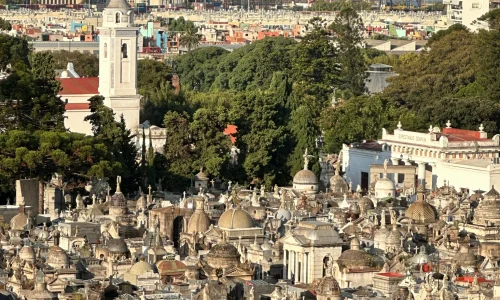
Recoleta is Buenos Aires at its most beautiful and most melancholy. The grand avenues of Alvear and Quintana are lined with French-style mansions, luxury hotels, and the kind of cafes where you can sit for three hours over a single cortado and nobody minds. At the heart of the neighborhood, the Recoleta Cemetery is one of the most extraordinary places in Argentina — a city of the dead built in miniature, with mausoleums in every architectural style from neoclassical to art deco, and at its center the tomb of María Eva Duarte de Perón, where Argentines still come to leave flowers. The Floralis Generalis — a giant steel flower sculpture in the nearby Las Naciones Park that opens and closes with the sun — is one of the most remarkable public artworks in the city.

Buenos Aires has one of the great restaurant cultures in South America. The parrilla — the Argentine steakhouse — is its most famous expression, and the quality of Argentine beef cooked over wood embers in the city’s best parillas is everything its reputation promises. But Buenos Aires is far more than steak. Italian-influenced pasta, Japanese-Peruvian fusion, natural wine bars, rooftop cocktail terraces, and a generation of young chefs pushing Argentine ingredients in new directions have made the city a genuinely exciting place to eat. Puerto Madero’s waterside restaurants, the buzzing corner bars of Palermo Soho, and the formal dining rooms of Recoleta and Belgrano together cover every mood and every budget. Our guides know all of it.
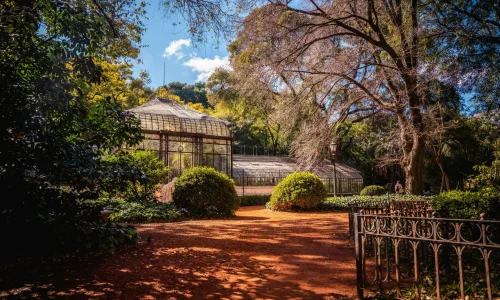
Buenos Aires rewards days of city exploration — and it also opens easily into the wider region. The Tigre Delta, just 30 kilometers north of the city, is a maze of river channels, islands, and floating markets that feels completely disconnected from the urban world behind it. The gaucho town of San Antonio de Areco, two hours west, is the most authentic portrait of traditional Argentine cowboy culture in the country — a beautifully preserved colonial town surrounded by estancias where the gaucho way of life is still practiced with genuine pride. And across the Río de la Plata, the UNESCO-listed colonial town of Colonia del Sacramento in Uruguay is a half-day ferry crossing away — one of the most enjoyable and effortless international day trips available from any city in South America.
From the legendary Alvear Palace in Recoleta to the beautifully designed Loi Suites and a carefully curated selection of boutique properties across the city’s finest neighborhoods, we place you exactly where Buenos Aires feels best. Every hotel is personally vetted for location, service, and character — because in a city this rich in experience, where you stay shapes how you experience it.
Buenos Aires rewards depth. Our private, English-speaking guides go beyond the standard city tour to show you the neighborhood histories, the architectural details, the hidden markets, and the cultural undercurrents that make this city endlessly fascinating. Whether you want a single full-day city tour or a week of carefully sequenced experiences, we build the right program around your interests and your pace.
From arrival at Ezeiza International or Aeroparque Jorge Newbery to your final transfer out, all ground logistics are handled by our team. Private vehicles for all city transfers, neighborhood tours, and day trips. Buenos Aires traffic can be unpredictable — we navigate it so you don’t have to think about it.
Buenos Aires is the primary gateway into Argentina for most international travelers, and our team can help coordinate the best flights in and out. For guests extending their journey to other Beagle destinations across Argentina and South America, we manage the full domestic and international routing from start to finish.
Buenos Aires
Buenos Aires — Aerial View
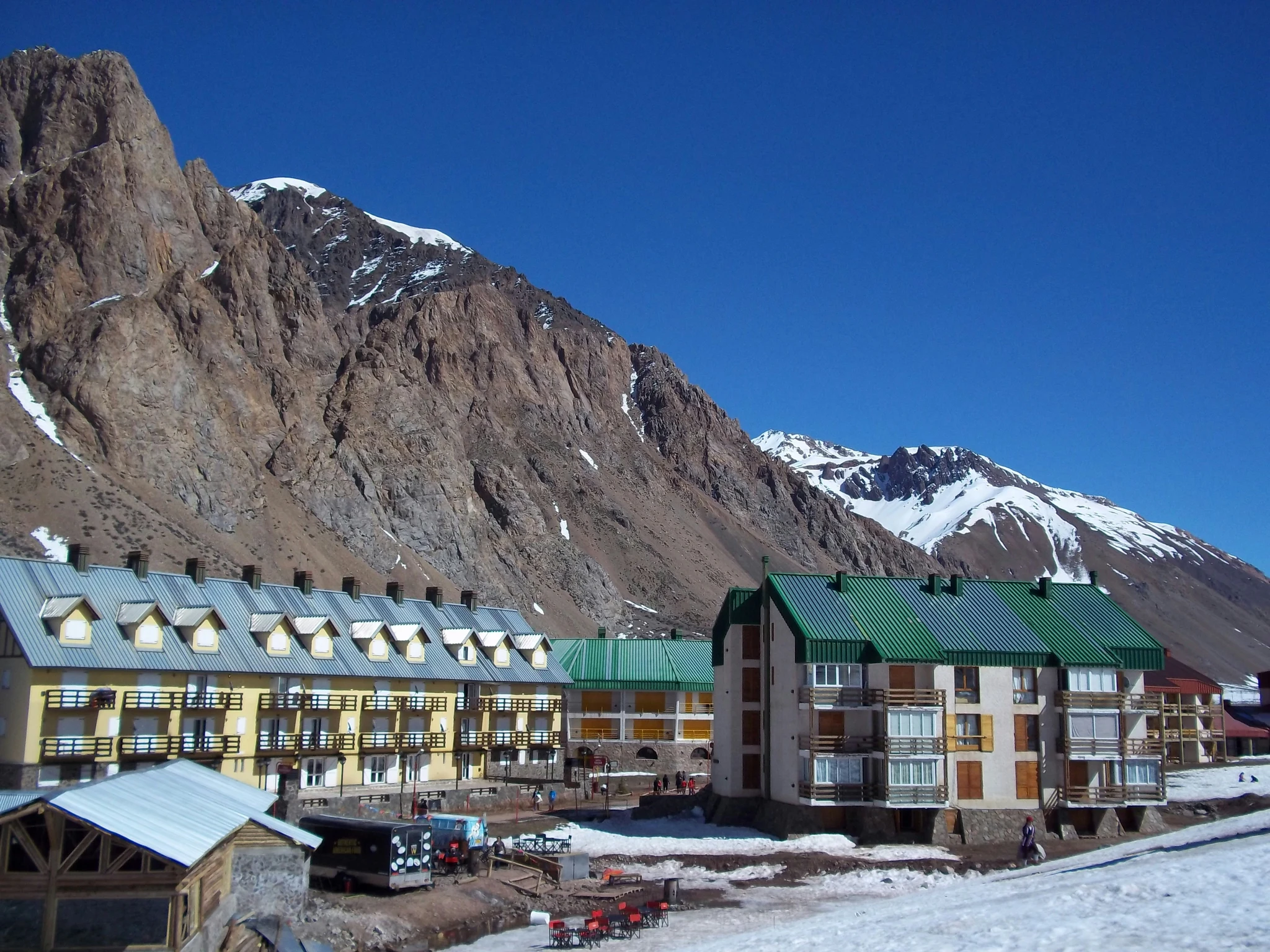
Argentina’s wine capital is two hours by air from Buenos Aires — world-class Malbec, Andean scenery, and a pace that is the perfect counterpoint to the energy of the capital.
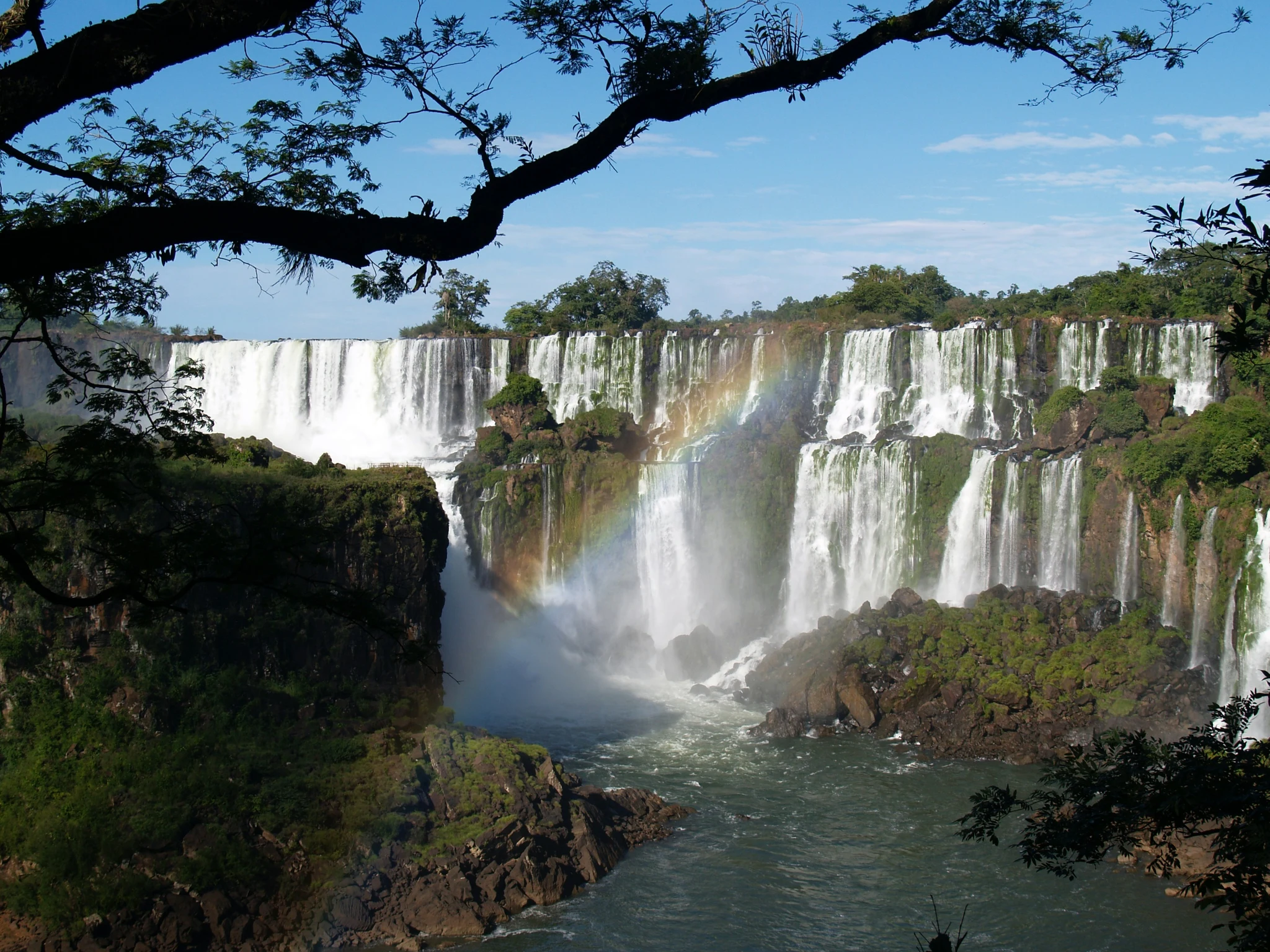
One of the great natural wonders of the world is a short flight north of Buenos Aires and the most popular extension to any Argentine itinerary.
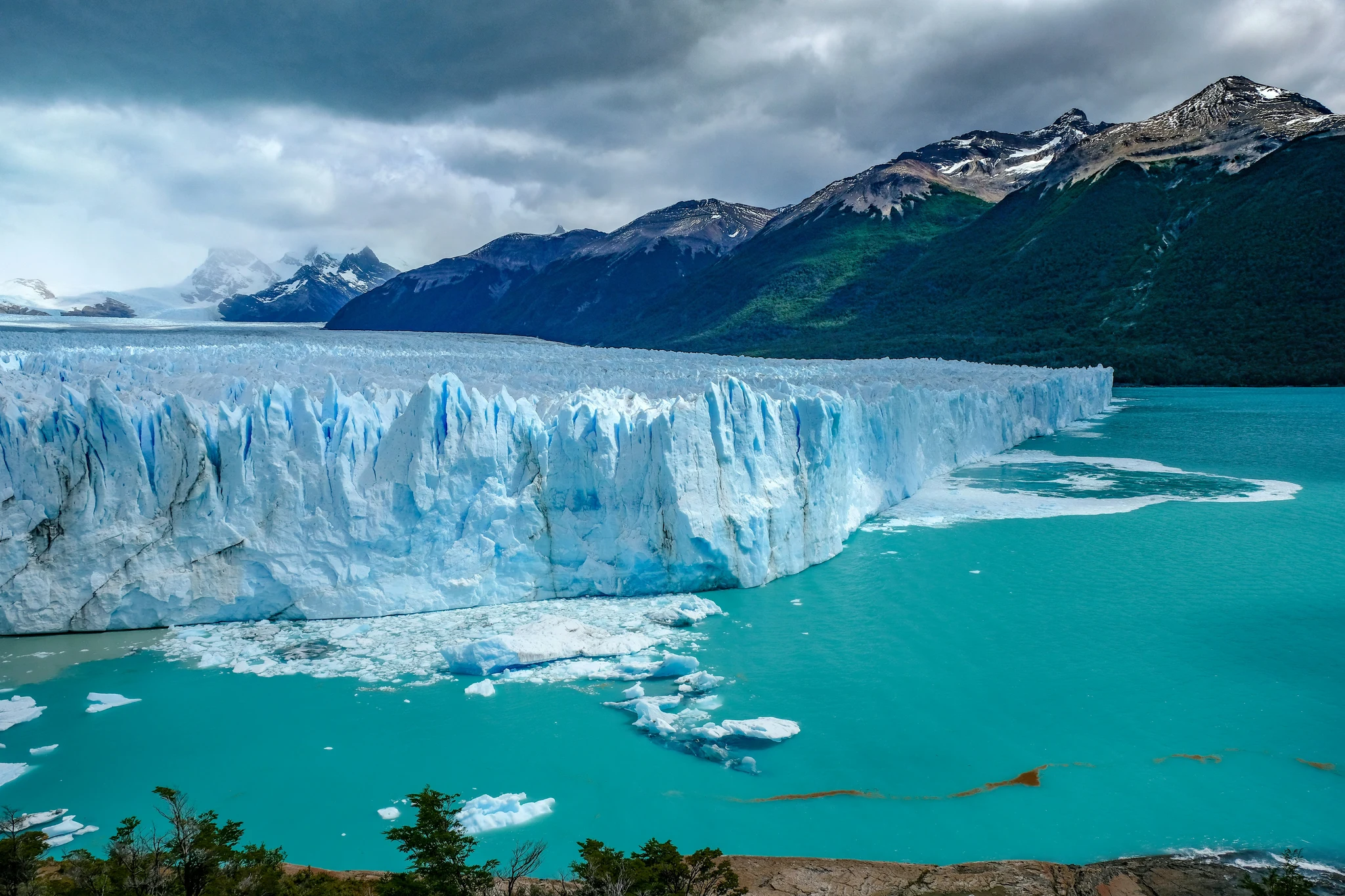
The gateway to Patagonia’s glaciers is a short flight south — and the most dramatic landscape Argentina has to offer.
Tell us when you want to go, how long you have, and what kind of experience matters most to you. We will take care of everything else from there.