
Argentina’s cultural capital and second largest city — where Jesuit heritage meets one of the youngest, most vibrant university cultures in South America, surrounded by the extraordinary landscapes of the Sierras Chicas.
Córdoba is Argentina’s second city — and in many ways its most interesting one. Founded in 1573 and home to one of the oldest universities in the Americas, it has always been a city of ideas, of debate, and of culture. In 2006 it was awarded the title of Cultural Capital of the Americas — a recognition that fits perfectly with a city whose four world-class art museums, extraordinary Jesuit heritage, and population of over 200,000 students give it an intellectual and creative energy that no other Argentine city quite matches.
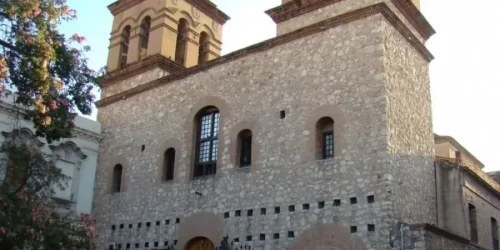
The historic center of Córdoba is built around the Plaza San Martín — one of the finest colonial squares in Argentina. The Cathedral, begun in 1687 and completed over the following century, anchors one corner of the plaza in a facade of extraordinary baroque detail. Beside it, the Cabildo — the old colonial government building — houses a museum of the city’s history. The Iglesia de la Compañía de Jesús, just steps away, is part of the UNESCO-listed Jesuit Block, a cluster of colonial religious and educational buildings that represents one of the most significant Jesuit legacies anywhere in the world.
But Córdoba is far more than its colonial heritage. The city’s cultural infrastructure is remarkable for a city of its size — the Palacio Ferreyra houses one of the finest fine arts collections in Argentina, the Museo Caraffa is dedicated to contemporary art, and the Buen Pastor Cultural Space has transformed a former women’s prison into one of the most dynamic cultural venues in the country. The streets of the city center, the pedestrian promenades connecting the plaza to the cathedral, the canal of La Cañada lined with jacaranda trees — Córdoba is a city that gives itself generously to those who walk slowly through it.
And surrounding the city, within an hour’s drive in any direction, the mountain sierras of Córdoba open into some of the most beautiful and varied landscape in central Argentina — the Sierras Chicas to the east, the Sierras Grandes to the west, and the Valle de Punilla stretching north through a corridor of colonial towns, mountain rivers, and the most beloved summer landscape in Argentina.
Central Argentina
Córdoba
Córdoba
Cultural Capital of the Americas (2006)
National University of Córdoba — Founded 1613
March to June / September to November
Semi-Arid / Four Distinct Seasons
Spanish
Argentine Peso
ART (UTC -3)
Ingeniero Aeronáutico Ambrosio L.V. Taravella International (COR)

The Plaza San Martín and the historic center surrounding it represent one of the finest concentrations of colonial heritage in Argentina. The Cathedral — one of the oldest in the country, its baroque facade aged to a warm honey color in the Córdoba light — faces the Cabildo across the plaza in a tableau that has defined the heart of the city for over three centuries. The Iglesia de la Compañía de Jesús, the Jesuit Block, and the National University of Córdoba — founded in 1613 and the oldest university in Argentina — are all within walking distance. A private guided walk through the historic center with a knowledgeable English-speaking guide brings this layered history to life in a way that no self-guided tour can replicate.
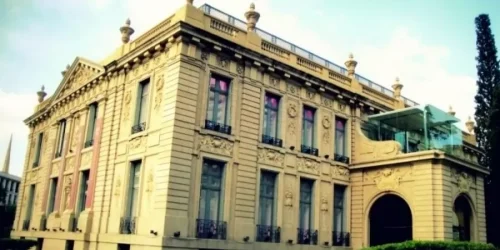
Córdoba’s cultural ambition is written in its museums. The Palacio Ferreyra — a magnificent belle-époque mansion converted into the city’s finest arts space — houses the Evocación collection of Argentine art from the colonial period to the present. The Museo Caraffa is dedicated to contemporary and modern art, housed in a striking modernist building with a collection that rivals any in the country. The Museo de Bellas Artes Dr. Genaro Pérez occupies another beautiful historic building in the city center, and the Buen Pastor Cultural Space — a former women’s prison transformed into an open, light-filled cultural complex with galleries, performance spaces, and outdoor areas — completes a quartet of institutions that give Córdoba its Cultural Capital credentials completely.

The canal of La Cañada runs through the heart of Córdoba in a shaded corridor of water, bridges, and jacaranda trees that turns purple in November. It is one of the city’s most beloved public spaces — a place for walking, for sitting, for watching the city move around you. The Parque Sarmiento, designed at the end of the 19th century in the tradition of the great European landscape parks, provides another green lung in the urban fabric, with lakes, sculpture, and the city’s planetarium at its edge. The Parque de las Tejas, with its Eiffel Wheel installation visible from across the city, is where the younger population gravitates on weekends. Córdoba’s parks are not incidental to the city — they are part of its character.
With over 200,000 students from across Argentina and Latin America, Córdoba has one of the youngest and most energetic urban populations in South America. That youth and energy is most visible after sunset — in the bars and live music venues of the Güemes and Nueva Córdoba neighborhoods, in the theaters presenting a year-round calendar of performances, and in a nightlife scene that is genuinely remarkable for a city of its size. The cumbias, rock nacional, and folk music that pour out of the city’s venues on any given night are a portrait of Argentina’s cultural diversity that you won’t find anywhere else in the country in quite the same concentration.
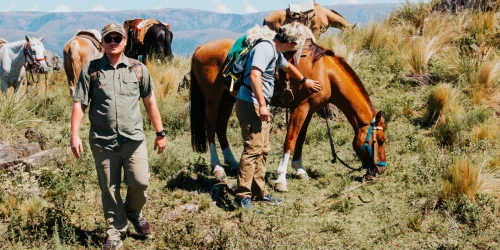
Córdoba is unique among Argentina’s major cities in being surrounded on multiple sides by mountain ranges — the Sierras Chicas to the east and the Sierras Grandes to the west, rising to over 2,800 meters at Champaquí, the highest peak in central Argentina. The valleys between them shelter some of the most beloved summer destinations in the country — the Valle de Punilla, the Valle de Traslasierra, and the colonial circuit of Alta Gracia, Villa General Belgrano, and La Cumbre. A day trip into the sierras from the city reveals a landscape of extraordinary beauty and cultural richness — mountain rivers, colonial churches, artisan markets, and the clean air of the high sierra — that is completely different from anything the city itself offers, and completely worth adding to any Córdoba itinerary.
We place you in the best hotels Córdoba has to offer — properties in the historic center and the finest residential neighborhoods, personally vetted for comfort, location, and the kind of service that makes a city as rich as Córdoba feel effortless. Every night you spend in Córdoba should be as good as every day.
Córdoba rewards depth. Our private, English-speaking guides bring the city’s history, architecture, and cultural life to life with genuine expertise — from the Jesuit heritage of the historic center to the contemporary art of the Palacio Ferreyra, from the canal of La Cañada to the mountain sierra day trips. Whether you want a single focused city tour or several days of sequenced experiences, we build the right program around your interests.
From arrival at Ambrosio Taravella International Airport to your final transfer out, all ground logistics are handled. Private vehicles for all city transfers, museum visits, and sierra day trips. In a city as spread out as Córdoba, having private transportation transforms the experience from logistical to effortless.
Córdoba is well connected by air to Buenos Aires and other Argentine cities. Our team and trusted partners can help arrange the best flights in and out. For guests combining Córdoba with San Luis, Mendoza, or Buenos Aires, we coordinate the full routing to make the journey as smooth as the destination is rewarding.
Córdoba City
Córdoba
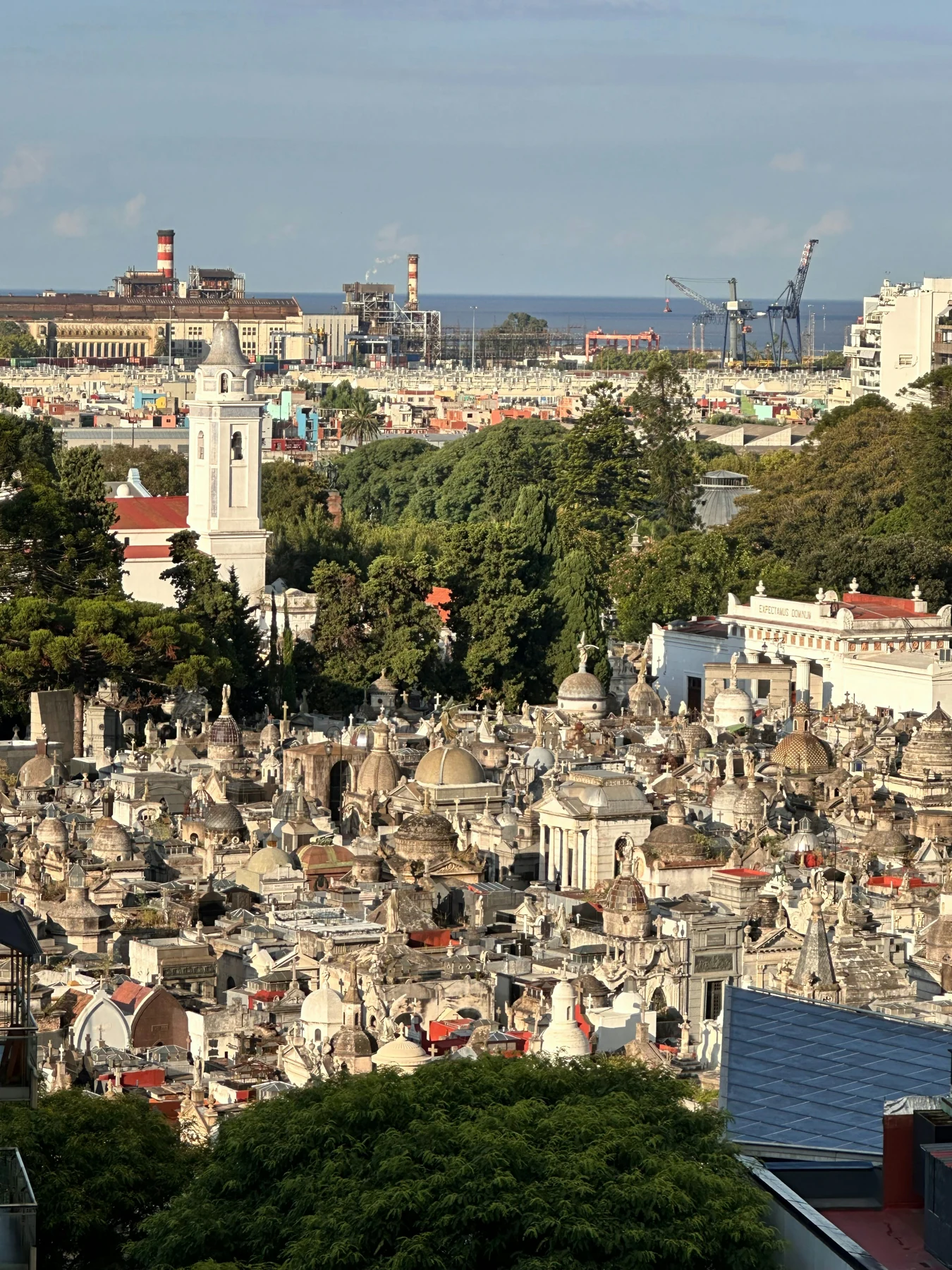
Argentina’s cosmopolitan capital is a short flight from Córdoba and the most natural starting point for any Argentine journey that includes the country’s cultural heartland.
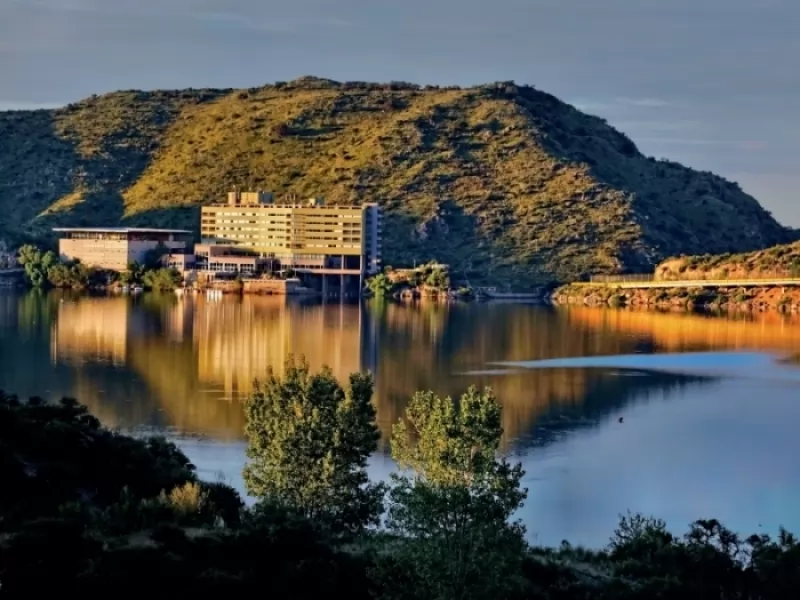
Argentina’s adventure province shares the Comechingones mountain range with Córdoba and offers a wilder, more outdoor-focused complement to the city experience.
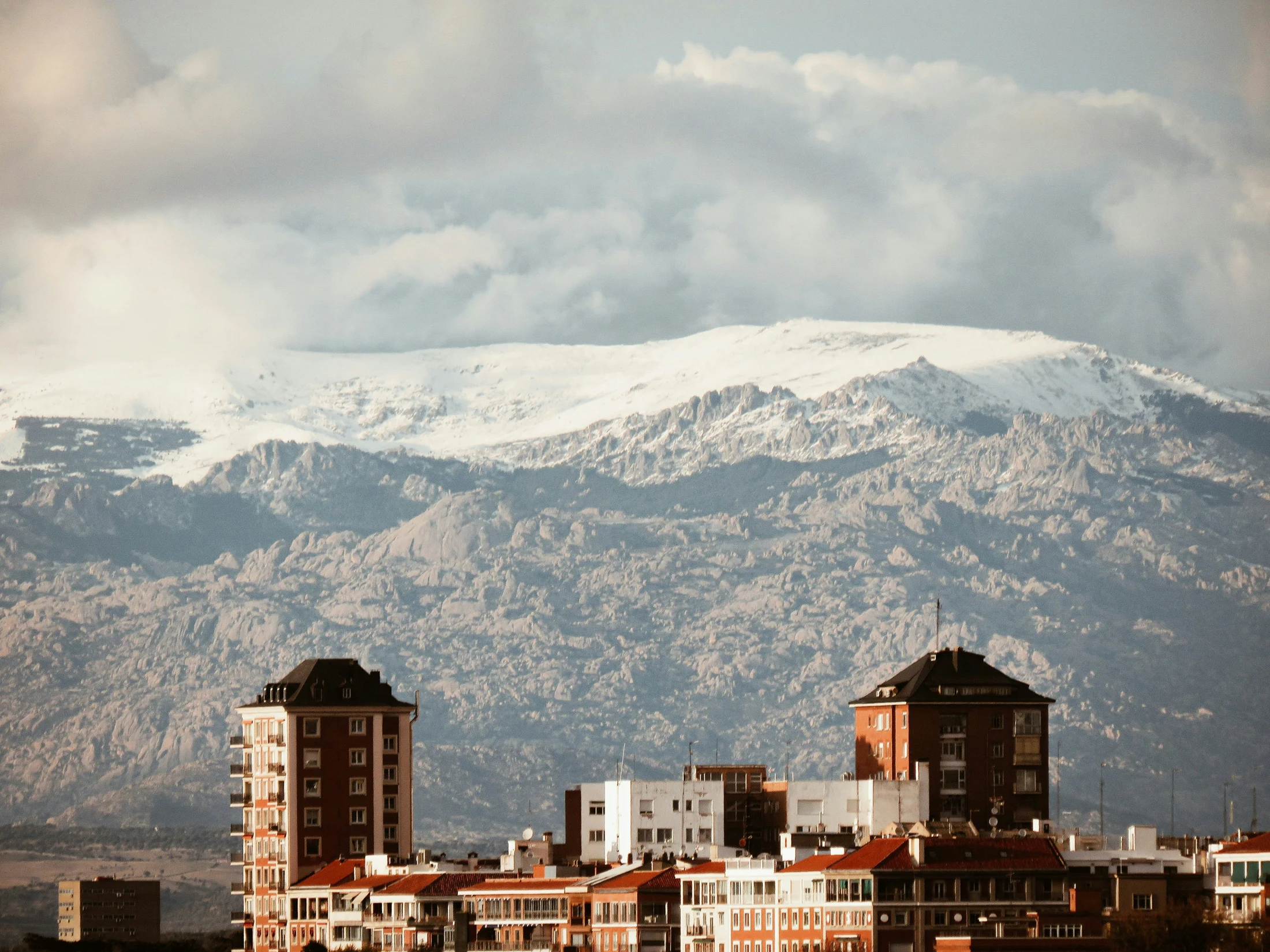
Argentina’s wine capital lies west of Córdoba across the central plains — world-class Malbec, Andean scenery, and a pace that rewards the traveler arriving from a city as culturally rich as Córdoba.
Tell us when you want to go, how long you have, and what kind of experience matters most to you. We will take care of everything else from there.