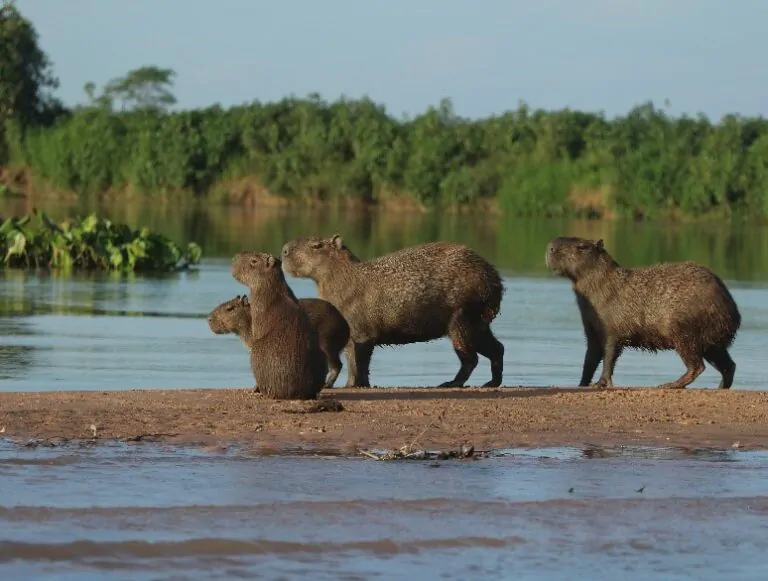
Watching an animal through a camera lens changes the way you see it. Slowing down to frame a shot forces a kind of attention that casual sightseeing rarely demands. Wildlife photography travel pushes travelers to notice behavior, light, and habitat in ways that go far beyond a quick glance and a checked box. For anyone drawn to nature but unsure how to engage with it more deeply, a camera can be the perfect bridge. This guide looks at how photography shapes the way people experience wildlife on the road.
Observation Skills Through Photography
How does photography improve wildlife observation?
A camera forces you to watch longer and more carefully than you otherwise might. Instead of glancing at an animal and moving on, photographers wait for the right angle, the right light, or a specific moment of behavior. Over time, this builds a sharper eye for subtle movement, posture, and interaction between species. Many travelers find that once they start shooting seriously, they start noticing details they would have missed entirely before. That shift in attention is often the first real benefit of bringing a camera along.
Ethical Wildlife Photography
What does ethical wildlife photography actually look like?
Ethical photography starts with putting the animal’s wellbeing above the shot. That means never baiting wildlife, never crowding a den or nest for a better angle, and always following guide instructions about distance and behavior. A great image is never worth stressing an animal or altering its natural routine. Reputable operators build these standards into every outing, which protects both the wildlife and the long term value of the destination itself. Ethics aren’t a limitation on the craft, they’re what makes it sustainable.
Patience and Field Awareness
Why does patience matter so much in wildlife photography?
Wildlife rarely performs on command, and the best images often come after long stretches of waiting with nothing happening at all. Field awareness, reading wind direction, tracking light changes, noticing subtle signs of movement, becomes second nature over time. Photographers who rush tend to miss the moments that make a trip memorable, while those willing to sit still are usually rewarded. This kind of patience also deepens the overall travel experience, since it slows the pace of the whole trip. Waiting becomes part of the reward, not just a means to an end.
Equipment Considerations for Travelers
What gear should I bring on a wildlife photography trip?
The right gear depends heavily on the destination and subject matter, but a solid zoom lens, extra batteries, and weatherproof storage are nearly universal needs. Traveling light matters too, since many wildlife locations involve long walks, boat rides, or rough terrain. Renting specialized lenses locally can be a smart alternative to hauling expensive gear across continents. Good preparation lets travelers focus on the animals instead of fumbling with unfamiliar equipment in the moment. A well packed bag makes the difference between a missed shot and a lasting memory.
Storytelling Through Images
How can wildlife photos tell a bigger story?
A single strong image can capture more than just an animal, it can convey mood, habitat, and even a sense of narrative. Sequences of photos, a hunt, a migration, a parent feeding young, help tell a fuller story than any single frame alone. Many travelers return home and realize their photos have become a way of processing and sharing the entire trip. These images often become the most vivid part of wildlife travel experiences long after the trip itself has ended. Photography turns a fleeting moment into something that can be revisited again and again.
Respecting Wildlife Habitats
How do photographers avoid damaging the places they photograph?
Respecting habitat means staying on designated paths, avoiding disturbance to vegetation, and never removing anything from the environment for a better composition. Small actions, like keeping voices low or avoiding flash near sensitive species, add up to meaningful protection over time. Choosing operators who limit group sizes and follow local conservation guidelines also reduces overall impact. The goal is always to leave a place exactly as it was found, if not better. Good photographers understand that protecting the habitat protects future access to it as well.
Photography as a Conservation Tool
Can wildlife photography actually support conservation?
Beyond personal enjoyment, wildlife images can play a real role in conservation by raising awareness and funding protection efforts. Photos from nature photography tours often end up supporting research, education campaigns, or local community initiatives tied to the destinations themselves. Documenting rare or endangered species can also help track population changes over time. When travelers share their images responsibly, they extend the reach and impact of the places they visited. In this way, a camera becomes more than a travel tool, it becomes part of the conservation story itself.
Photography adds a layer of depth and intention to wildlife travel that’s hard to replicate any other way. Beagle International designs trips that give photographers the time, access, and expert guidance needed to capture these moments responsibly. If you’re ready to plan a trip built around patient, ethical wildlife photography, reach out to our team today.